
Nevada
Our mission is to save lives by meeting the most critical needs of our communities and investing in breakthrough research to prevent and cure breast cancer.
Nevada
Our mission is to save lives by meeting the most critical needs of our communities and investing in breakthrough research to prevent and cure breast cancer.
Need Help?
Call our breast care helpline to assist with finding local screening and diagnostic facilities or clinical research trials, requesting financial assistance, or other questions or care needs.
Get Involved
Help us reach our vision of a world without breast cancer by getting involved in our local community.

Walk Where You Are
Saturday, October 26, 2024
Join us as we unite in the fight against breast cancer. Together, we’ll raise crucial funds to help those impacted by breast cancer when they need it most.
Ending breast cancer needs hope.
Ending breast cancer needs compassion.
Ending breast cancer needs all of us.
Go Pink For the Cure
Go Pink for the Cure (GPFTC) focuses on the next generation of passionate, grassroots advocates for the cause: students! Visit our community page or reach out to local staff to learn more about how you can get your school or group involved.
Learn More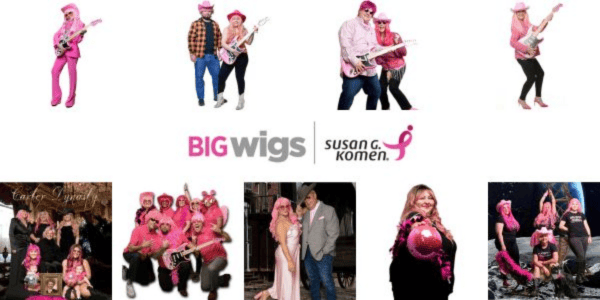
Make a BIG Impact as a BigWig
Each year, passionate local leaders and community members serve as representatives in the fight against breast cancer by committing to being a Susan G. Komen BigWig. While it may be a funny name, as a BigWig you can make a real difference – all while having fun!
Contact us to learn more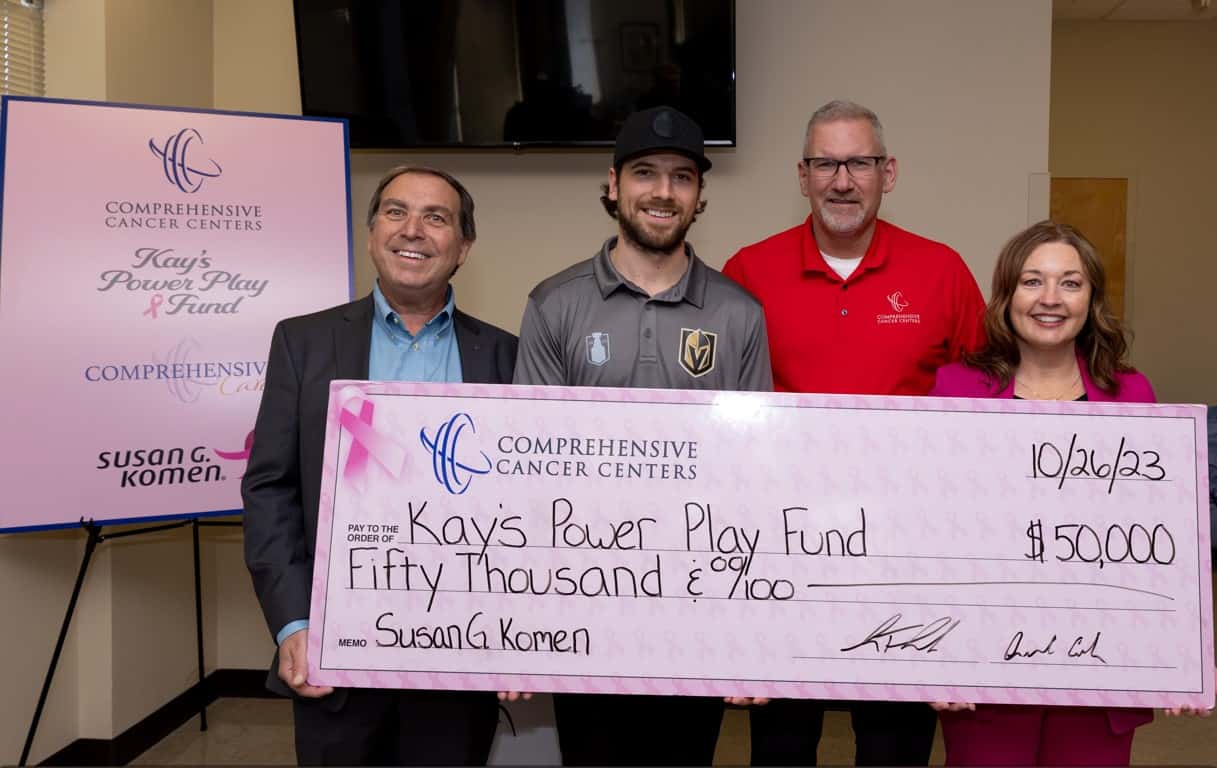
Thank You Kay’s Power Play Fund
Generous donors and programs like Kay’s Power Play Fund help support Komen’s Patient Care Center. The Komen Patient Care Center is your trusted, go-to source for timely, accurate breast health and breast cancer information, services and resources. Our navigators offer free, personalized navigation services to patients, caregivers, and family members.
Learn More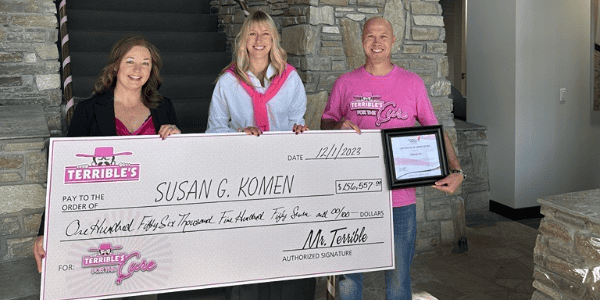
Thank You to Terrible's!
Through their Breast Cancer Awareness Month efforts in 2023, the Terrible’s raised over $156,000.Thanks to partnerships like Terrible’s, we continue to move forward toward a breast cancer-free world. Discover more about our employee engagement program or contact our Komen staff partner to learn more about how you can partner with Komen.
Connect with Jill and learn moreLocal Events
Join the fight to end breast cancer by attending an event in Nevada!
Questions? Contact Us
ShareForCures
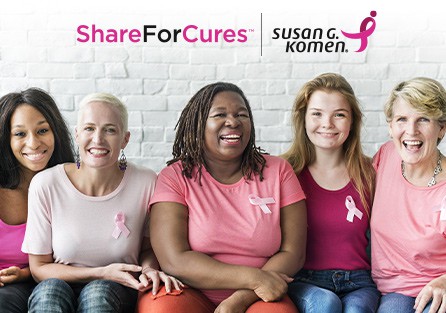
Your breast cancer information is as unique as you are. When combined with thousands of other ShareForCures members, you provide scientists with a more diverse set of data to make new discoveries, faster.
Latest News & Information
Nikki’s Story: I’m Not Going to Let Cancer Steal My Sparkle
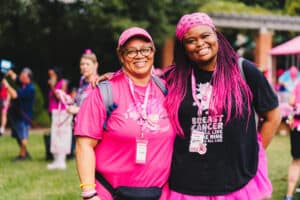
Nikki Anderson’s cancer journey began with a uterine cancer diagnosis in her 30s, which was followed by a breast cancer diagnosis six years later. She celebrates her journey by fundraising for the Komen 3-Day with Team Sparkle, inspired by her own adage: “I’m not going to let cancer steal my sparkle.”
The post Nikki’s Story: I’m Not Going to Let Cancer Steal My Sparkle appeared first on Susan G. Komen®.
Susan G. Komen® Peoria MORE THAN PINK Walk Raises Funds for Breast Cancer Patient Care Services in Illinois
Susan G. Komen®, the world’s leading breast cancer organization, will hold the Susan G. Komen Peoria MORE THAN PINK Walk on Saturday, May 11, 2024, at Metro Centre. This signature event enables Komen to raise critical funds that provide direct support to breast cancer patients, fund groundbreaking research, empower health equity initiatives nationwide, and advocate […]
The post Susan G. Komen® Peoria MORE THAN PINK Walk Raises Funds for Breast Cancer Patient Care Services in Illinois appeared first on Susan G. Komen®.
Nevada
Contact Us
Susan G. Komen Nevada
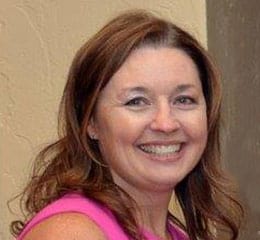
Executive Director, Inland Empire & Nevada: Jill Eaton
Email: jeaton@komen.org
Phone: 951-394-3048